
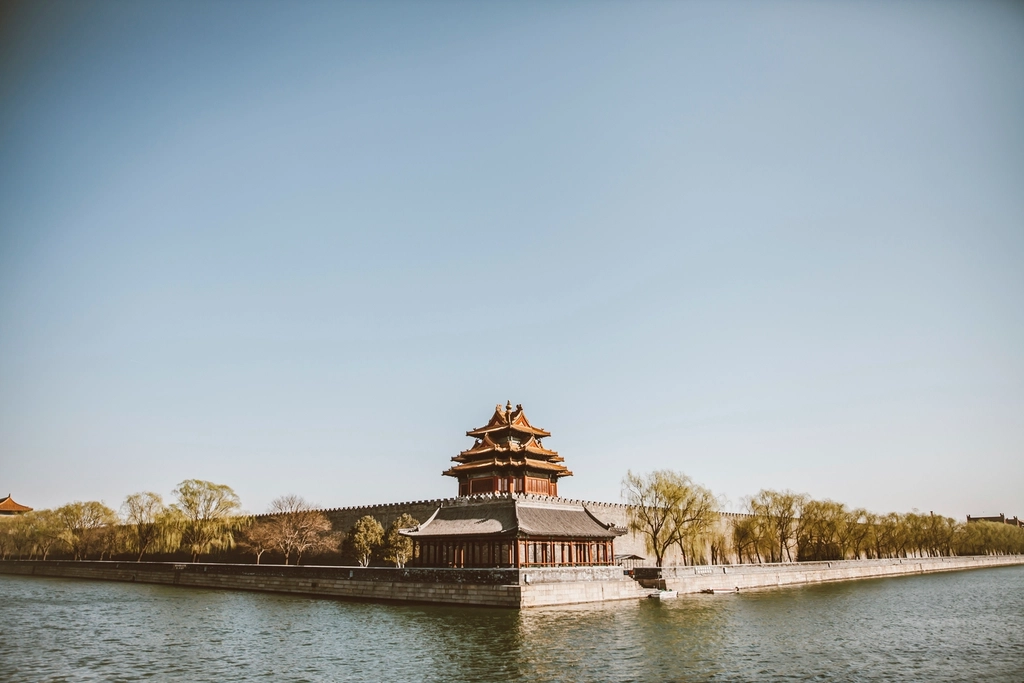
A complete Beijing travel guide — the Forbidden City, Great Wall day trips, hutong neighborhoods, what to eat, and how many days to plan for China’s capital.
Beijing is the city most people picture when they think of imperial China, and it earns that reputation honestly. This is a capital that has served five dynasties over three thousand years, most consequentially the Yuan, Ming, and Qing — and the monuments from each are still standing, still functioning as the city’s organizing landmarks, and still worth the crowds they draw. This guide covers what to eat, where to stay, the essential sights, and how to structure your days so you’re not crossing the city twice in one afternoon.
Why Beijing Anchors a China Trip
Kublai Khan made Beijing his Yuan capital in 1271. The Ming emperor Yongle rebuilt the city around the Forbidden City in 1406. The Qing dynasty inherited and expanded it further. The result is a city where the world’s largest imperial palace complex, the most iconic stretch of the Great Wall, and centuries-old residential alleys called hutongs all sit within a single metro system — alongside the skyscrapers and gallery districts of a thoroughly modern capital of over twenty million people.
What to Eat in Beijing
– Peking duck — the city’s signature dish, best eaten at a proper restaurant rather than a tourist-trap spot near the major gate entrances.
– Zhajiangmian — thick wheat noodles tossed in a fermented soybean paste, a Beijing comfort-food staple.
– Jianbing — a savory crepe sold from street stalls, the city’s defining breakfast food. – Copper-pot lamb hotpot — particularly good on a cold evening, and a different style from the Sichuan hotpot found further south.
– Tanghulu — candied hawthorn skewers, sold by street vendors and best eaten while walking the hutongs.
The Neighbourhoods: Where to Base Yourself
– Houhai and Nanluoguxiang — restored hutong courtyard hotels (siheyuan) in the heart of old Beijing, ideal if you want to wake up inside the city’s historic character rather than just visiting it.
– Sanlitun / Embassy District — Beijing’s modern luxury and nightlife base, with dining, shopping, and international hotel brands.
– Near Wangfujing — central and walkable to the Forbidden City and Tiananmen Square, a strong choice for first-time visitors prioritizing convenience.
The Essential Sights
The Forbidden City. The world’s largest imperial palace complex and the centerpiece of any Beijing visit. Give it a full four hours minimum, and book tickets at least several days in advance — it routinely sells out up to ten days ahead during peak season.
Tiananmen Square. Directly adjacent to the Forbidden City, and typically visited as part of the same outing.
The Great Wall. This deserves its own full day, not a rushed add-on to the Forbidden City — the most popular sections are 70 or more kilometers from the city and need three to four hours including travel. Mutianyu is the most recommended mainstream option: about 70 minutes from Beijing, with a cable car and toboggan slide, and noticeably fewer tour-bus crowds than Badaling. Jinshanling is more rugged and photogenic but sits roughly 2.5 hours from the city, better suited to travelers with an extra day to spare.
Temple of Heaven. A sacrificial complex with some of Beijing’s best examples of Ming-dynasty religious architecture, often paired with a hutong walk.
Summer Palace. A sprawling imperial garden estate, best combined with a Peking duck dinner to round out a day focused on the city’s northwest sights.
Hutong alleys (Nanluoguxiang, Shichahai). Narrow lanes predating the modern city grid, lined with courtyard homes — walk them in the late afternoon as the light softens and the alleys empty out a little.
Suggested Itinerary: How Many Days Do You Need?
One well-planned day covers the Forbidden City and adjacent Jingshan Park as a complete experience on its own. Two days adds the Temple of Heaven and a hutong walk. Five days covers all the essential sights at a comfortable, unhurried pace for first-time visitors. Seven days makes sense if Beijing is your primary destination rather than a stop on a wider China itinerary.
Day 1: Forbidden City and Tiananmen Square.
Day 2: Great Wall day trip — Mutianyu for the easier, more scenic option, or Jinshanling if you have a full day to dedicate to it.
Day 3: Summer Palace, Temple of Heaven, and a proper Peking duck dinner.
Day 4: Hutong neighborhoods, the 798 Art Zone for a modern contrast, or a side trip to the Ming Tombs.
A useful planning rule: cluster sights by geography rather than by what feels most “important.” Central imperial sites (Forbidden City, Jingshan, Tiananmen, Temple of Heaven) belong together. Northwest sights (Summer Palace, Ming Tombs) belong together. The Great Wall stands alone as a full day. Trying to combine across these clusters in a single day means a lot of unnecessary backtracking.
Day Trips From Beijing
High-speed rail makes Tianjin and Chengde easy add-ons if you have extra time, and a day trip to Xi’an is even possible by high-speed train or overnight sleeper for travelers short on time but determined to see the Terracotta Warriors.
A Note on Booking Ahead
The Forbidden City and Badaling Great Wall both require advance booking and routinely sell out during peak season. The Temple of Heaven, Summer Palace, and Lama Temple are more forgiving but still worth reserving ahead. The National Museum of China is free, but requires an advance online reservation regardless.
Mapping out a Beijing-to-Xi’an-to-Shanghai route, or figuring out how the Great Wall fits with everything else? Get in touch and we’ll help you build a realistic day-by-day plan.
Leave a Reply