
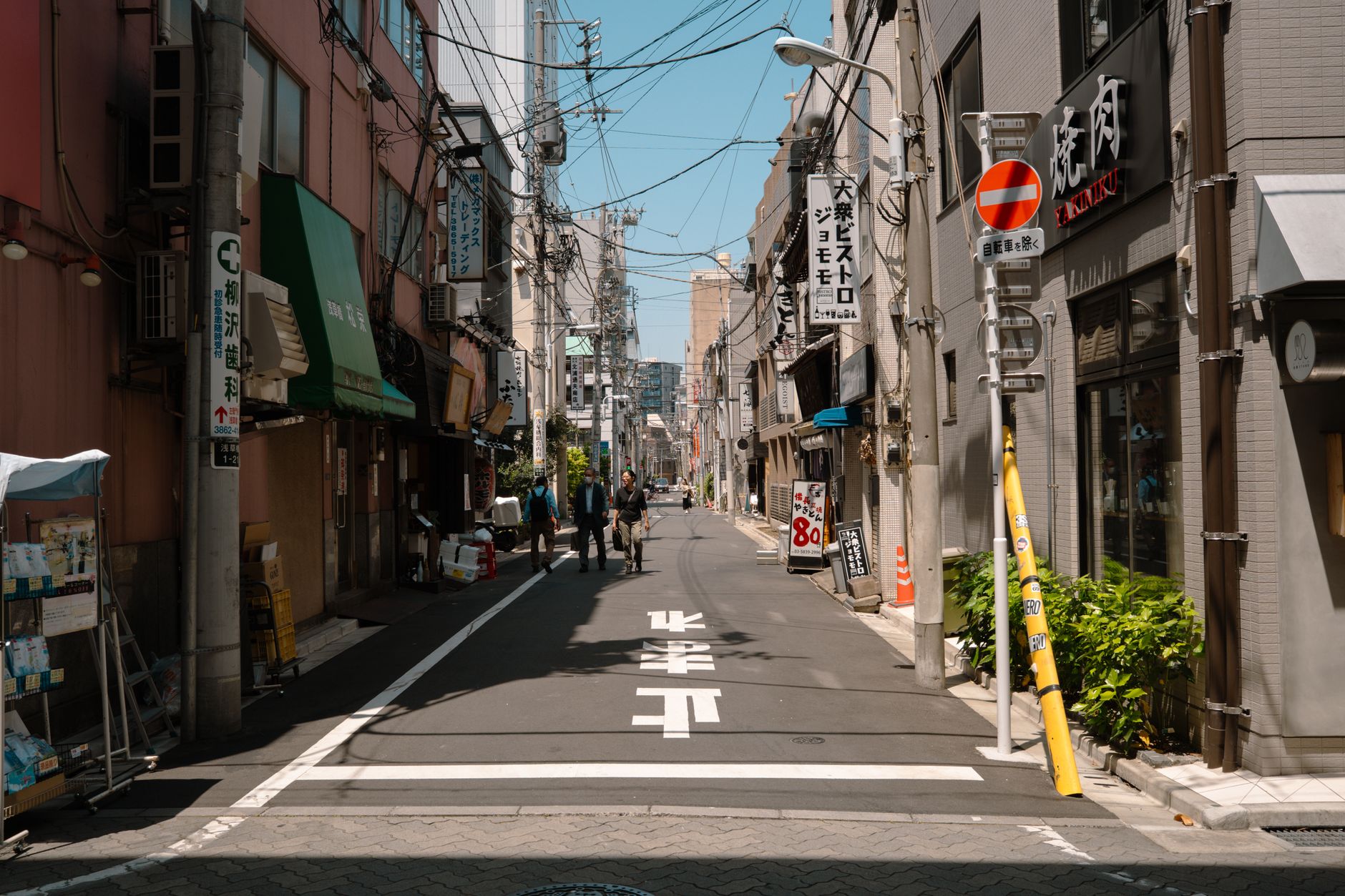
A complete Tokyo travel guide — which neighborhoods to base yourself in, what to eat, the essential sights, and how to structure 3-7 days in Japan’s capital.
Tokyo isn’t really one city — it’s a collection of distinct neighborhoods, each operating almost like its own small city, connected by one of the most efficient rail systems in the world. Shibuya and Yanaka sit just 6 kilometers apart but feel like different decades. This guide covers which neighbourhoods to base yourself in, what to eat, the essential sights, and how to structure a realistic itinerary.
Why Neighbourhood Choice Matters More in Tokyo Than Anywhere Else
Tokyo sprawls across more than 2,000 square kilometers — larger than Greater London — and trying to cram Asakusa, Shibuya, Ueno, and Shinjuku into a single day means spending 30-40% of your time underground navigating station transfers. The better approach is to cluster attractions by geography and let each neighbourhood’s character set the pace for that part of your trip, rather than treating Tokyo like a checklist.
Where to Base Yourself
– Shinjuku — the single best all-purpose base if you can only pick one area: a major transit hub connecting to virtually everywhere, split between a western half (skyscrapers, business, hotels) and an eastern half (Kabukicho nightlife, Golden Gai’s tiny bars, restaurants at every hour).
– Shibuya — younger, trendier, and more fashion-forward, anchored by the iconic Shibuya Crossing and walkable to Harajuku and Omotesando. Slightly pricier than Shinjuku, with a more vibrant, cosmopolitan atmosphere.
– Asakusa — old-world Tokyo, home to Senso-ji Temple and traditional craft shops, with a noticeably more relaxed pace. A strong choice for families or anyone prioritizing culture and history over nightlife, and generally more budget-friendly.
– Ueno — convenient, museum-and-park-focused, and a good budget-friendly alternative to Asakusa with similarly easy subway access to Ginza or Shibuya.
A practical tip worth internalizing: you don’t need to stay in an expensive neighborhood to enjoy it. Basing yourself in budget-friendly Asakusa or Ueno and taking the subway (¥170-320 per ride) into Ginza or Shibuya is a common, effective way to stretch a Tokyo budget without missing anything.
The Yamanote Line: Your Main Tool for Getting Around
The JR Yamanote Line is a loop line connecting Shinjuku → Harajuku → Shibuya → Shinagawa → Tokyo Station → Akihabara → Ueno → Ikebukuro and back to Shinjuku, taking roughly 60 minutes for a full loop. Most major neighborhoods sit directly on this line, making it the backbone of how to think about moving around the city.
What to Eat
Tokyo’s food ecosystem runs from Michelin-starred kaiseki to conveyor-belt sushi to hidden izakaya bars down narrow yokocho alleys. A few specific things worth seeking out:
– Depachika — department store basement food halls, an underrated way to sample high-quality food from dozens of vendors in one place.
– Tsukiji Outer Market — the old fish market’s retail and food-stall section remains active even though the wholesale market itself relocated to Toyosu; good for an early-morning seafood breakfast.
– Conveyor-belt sushi and izakaya dinners — both are genuinely everyday Tokyo dining, not tourist performances, and worth building into any trip regardless of budget.
The Essential Neighbourhoods and Sights
Asakusa. Senso-ji Temple is the headline sight, though the surrounding subsidiary shrines a block or two away tend to be quieter and are where locals actually go to worship — worth the short detour from the main lantern-lined approach.
Shibuya and Harajuku. Roughly 1 km apart and walkable between each other (about 15 minutes), connected by Cat Street, which is lined with fashion boutiques and cafes. Shibuya Crossing and Shibuya Sky are the headline modern-Tokyo sights; Harajuku’s Takeshita Street and nearby Meiji Shrine cover the fashion and traditional-culture ends of the same neighborhood cluster.
Shinjuku. Combine a visit with Golden Gai’s tiny bars at night, and consider teamLab or Tokyo Skytree as an add-on if you haven’t already done one of Tokyo’s immersive digital-art experiences elsewhere.
Akihabara. The city’s anime, electronics, and gaming district — easy to reach directly on the Yamanote Line.
Yanaka. A genuinely quiet, pre-war nostalgic neighbourhood, a useful contrast if the bigger districts start to feel overwhelming.
Suggested Itineraries
3 days (first-timer): Day 1 — Asakusa and Ueno for traditional Tokyo. Day 2 — Shibuya, Harajuku, and Meiji Shrine for modern energy and fashion. Day 3 — Shinjuku, plus teamLab or Tokyo Skytree.
5-7 days: Add Akihabara, Ginza, a day trip (Hakone or Kamakura are both popular), and unhurried wandering through a quieter neighbourhood like Yanaka or Shimokitazawa.
Practical Logistics
Get a Suica or Pasmo IC card immediately on arrival — it’s essential for trains, buses, and even some convenience store purchases. For trips under 7 days, staying in one central location (rather than switching hotels) generally saves more time than it costs. For longer stays, splitting between two neighborhoods (for example, 4 nights in Shibuya and 3 in Asakusa) lets you experience genuinely different versions of the city without excessive logistics.
Building a Tokyo-based Japan itinerary with day trips to Hakone, Kamakura, or Nikko? Get in touch and we’ll help you plan the pacing.
Leave a Reply