
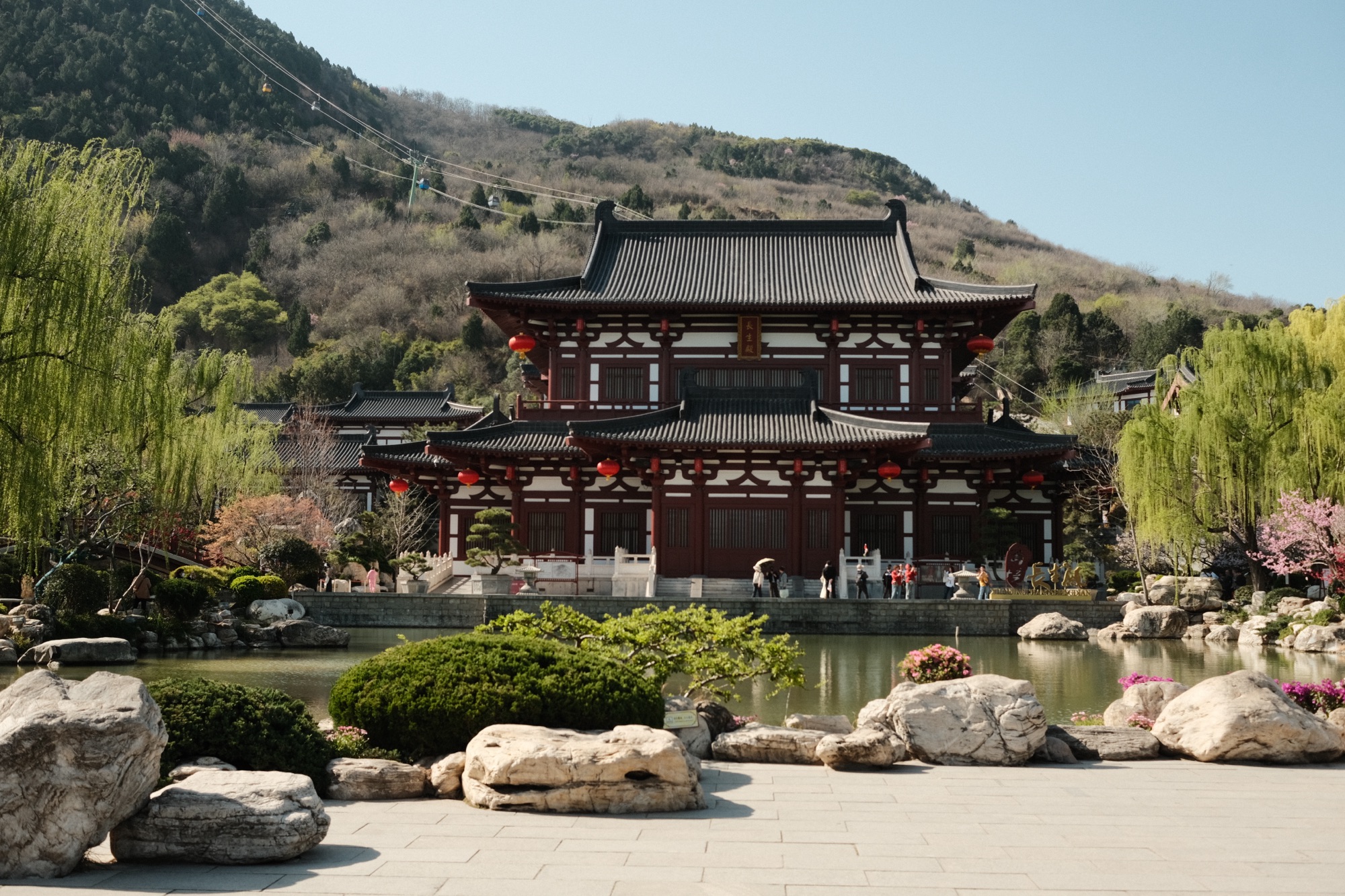
The Great Wall is singular. The Forbidden City has context that matters. But the default China itinerary—Beijing, Xi’an, Shanghai—is optimized for tour groups, not for travelers.
If you have 10+ days, design your route around what you actually want to experience. Here’s what that looks like.
The Default Route (and Why It’s Default)
Beijing → Xi’an → Shanghai is the route every guidebook recommends. It’s efficient: straight line, no backtracking, direct flight connections. It shows imperial history (Beijing), Silk Road history (Xi’an), and contemporary China (Shanghai).
It’s also crowded and touristy. The Forbidden City has 40,000 visitors daily in peak season. Tour groups follow the same path in the same order with the same guides.
This route is worth doing. But it doesn’t have to be your whole trip.
What Makes a Destination Worth Visiting
Destination quality isn’t about fame. It’s about coherence: Does the place have a clear identity? Does it offer something you can’t find elsewhere?
Beijing: Imperial and political center. Coherent. Worth 3-4 days.
Xi’an: Silk Road gateway and ancient capital. Coherent. Worth 2-3 days.
Shanghai: Contemporary megacity. The financial and cultural center of modern China. Coherent. Worth 2-3 days.
Guilin/Yangshuo: Landscape and rural culture. Distinctive. Worth 3-4 days if landscapes interest you.
Chengdu: Sichuan culture, food, pandas. Distinctive. Worth 2-3 days for food and local culture.
Suzhou: Ming Dynasty gardens and canals. Distinctive but often missed. Worth 1-2 days as a day trip from Shanghai or a destination.
Hangzhou: West Lake, cultural capital, close to Shanghai. Distinctive. Worth 2 days.
Lanzhou/Zhangye: Desert and colored rock formations. Distinctive but difficult to access. Worth 3-5 days if interested in western China and willing to travel independently.
Tibet (Lhasa): High-altitude monasteries and Tibetan culture. Distinctive but requires permits and more planning. Worth 4-5 days if culturally interested.
The Landscape-Focused Alternative (12-14 Days)
If your trip is about geography and natural scenery rather than history, this itinerary makes more sense.
Beijing (2 days): Great Wall, Summer Palace. Satisfy the historical sites quickly.
Flight to Chengdu (2-3 days): Sichuan culture. Visit a panda sanctuary (the pandas are okay; the cultural immersion is worthwhile). Explore Chengdu’s teahouse culture and street food.
Leshan and Emei Mountain (2 days): Buddha statue carved into a mountainside, hiking and monasteries. Less crowded than famous mountains. Stunning landscape.
Cruise or train to Chongqing, then Yangtze River Three Gorges cruise (3-4 days): Most dramatic river landscape in China. Cruise is slow travel through history and geography.
Shanghai (2 days): End with contemporary China.
This itinerary shows landscape progression and cultural themes. The Yangtze cruise is a centerpiece. It’s less about collecting sites and more about experiencing China’s depth.
The Cultural Deep-Dive (14+ Days)
If you have two weeks or more, design around a region’s culture rather than hitting major cities.
Option 1: Sichuan Deep Dive
Chengdu (base) → Leshan → Emei Mountain → Zigong → Chongqing
- Sichuan is distinct: spicy food, laid-back culture, mountain landscapes, Buddhist temples, revolutionary history (Zigong salt mining).
- You’ll see far fewer Western tourists.
- The food is exceptional.
- It’s coherent as a trip, not a collection of stops.
Option 2: Yunnan Province
Kunming → Dali → Lijiang → Shangri-la (Zhongdian)
- Yunnan is the most culturally diverse province. Minority cultures (Bai, Naxi, Tibetan) are stronger here than anywhere else.
- Landscapes include mountains, lakes, and old towns.
- This is less “touring” and more “cultural immersion.”
- It requires 10-14 days to be done well.
Option 3: The Silk Road
Xi’an → Lanzhou → Zhangye → Dunhuang → Kashgar → Urumqi
- This is the most challenging route. Small cities, fewer English speakers, basic infrastructure in some places.
- It’s also the most rewarding. Silk Road history is everywhere. The landscape is varied and dramatic.
- Requires 3+ weeks and willingness to rough it.
- Best done with guides or travel companions who speak Mandarin.
Why Skip These (Despite Being Famous)
Guilin and Yangshuo: Beautiful landscape but expensive, crowded, and the karst scenery is available cheaper and less touristy in neighboring regions (Guangxi province’s smaller towns).
Forbidden City during peak season: Worth visiting but not worth the 3-hour wait in 40-degree heat. Visit in September-October or January-February to have an actual experience instead of a queue experience.
The Great Wall: The Great Wall itself is overhyped. The Wall is repetitive—you walk 2-3 hours and see the same thing. Better: One restored section (Mutianyu or Simatai) with a guide who explains the history. Skip the crowded sections (Badaling).
Terracotta Army (solo): The Terracotta Army is a single site. You could see it in 3 hours. The problem is getting there and back (1.5 hours each way from Xi’an), so plan 6-8 hours total. It’s worth it, but go early (8am opening) to avoid crowds.
Building Your Alternative Route
Ask yourself: What interests me? (Architecture, food, landscape, culture, history)
If architecture: Beijing (Forbidden City, imperial buildings), Xi’an (ancient city), Suzhou (gardens), Hangzhou (temples).
If food: Chengdu (Sichuan), Shanghai (contemporary food scene), Guangzhou (Cantonese), minority regions of Yunnan (tribal food).
If landscape: Guilin/Yangshuo (karst), Zhangye (colored mountains), Yunnan mountains, Yangtze River cruise.
If culture: Yunnan (minority cultures), Tibet (if permits arranged), small towns in Sichuan, Hangzhou teahouse culture.
If history: Beijing (imperial), Xi’an (Silk Road), Hangzhou (Song Dynasty), Shanghai (early 1900s foreign concessions).
Then cluster your route geographically to avoid backtracking. A route that jumps Beijing → Shanghai → Chengdu → Beijing is inefficient. A route that goes Beijing → Xi’an → Chengdu → Shanghai → fly home is logical.
Practical Considerations for Alternative Routes
Guides are more important in non-touristy places. Beijing, Shanghai, and Xi’an have English-speaking guides everywhere. Smaller cities don’t. Budget for guides ($60-150/day) if you’re visiting lesser-known destinations.
Mandarin helps. Not essential, but more valuable in places without tourism infrastructure. Translate apps help, but a guide or traveling companion who speaks Mandarin is ideal.
Domestic flights and trains are easy. You don’t need specialized help getting between cities. Booking through Trip.com or Ctrip is straightforward even for non-obvious routes.
The foreigner premium is lower in non-touristy places. You’ll actually save money because there’s no “tourist pricing.” A meal costs what a local pays.
The Difference Between Visiting and Experiencing
The Great Wall is singular. See it. The Forbidden City has context that matters. See it. But you’re not limited to these.
A China trip designed around your interests—whether that’s landscape, food, culture, or history—is immeasurably better than a trip that checks standard boxes.
The difference isn’t the destinations. It’s the intentionality you bring to the route. It’s saying “I’m interested in Buddhist temples and mountain landscapes” instead of “I’m going to Beijing, Xi’an, and Shanghai because that’s what everyone does.”
That intentionality is what separates a trip from a journey. That’s what consultancy begins with.
You’ve now mapped the full picture: timing, visa, budget, route options.
You know enough to plan independently. But design and planning are different things.
Design is choosing Chengdu because you’re interested in Sichuan culture, not because it’s on the way. It’s sourcing guides who avoid foreigner-premium pricing. It’s building transitions between destinations so you’re not exhausted.
That’s where Loom begins.
Start Your Consultation — You’ve done your research. Let’s design your actual trip.
Internal Links: