
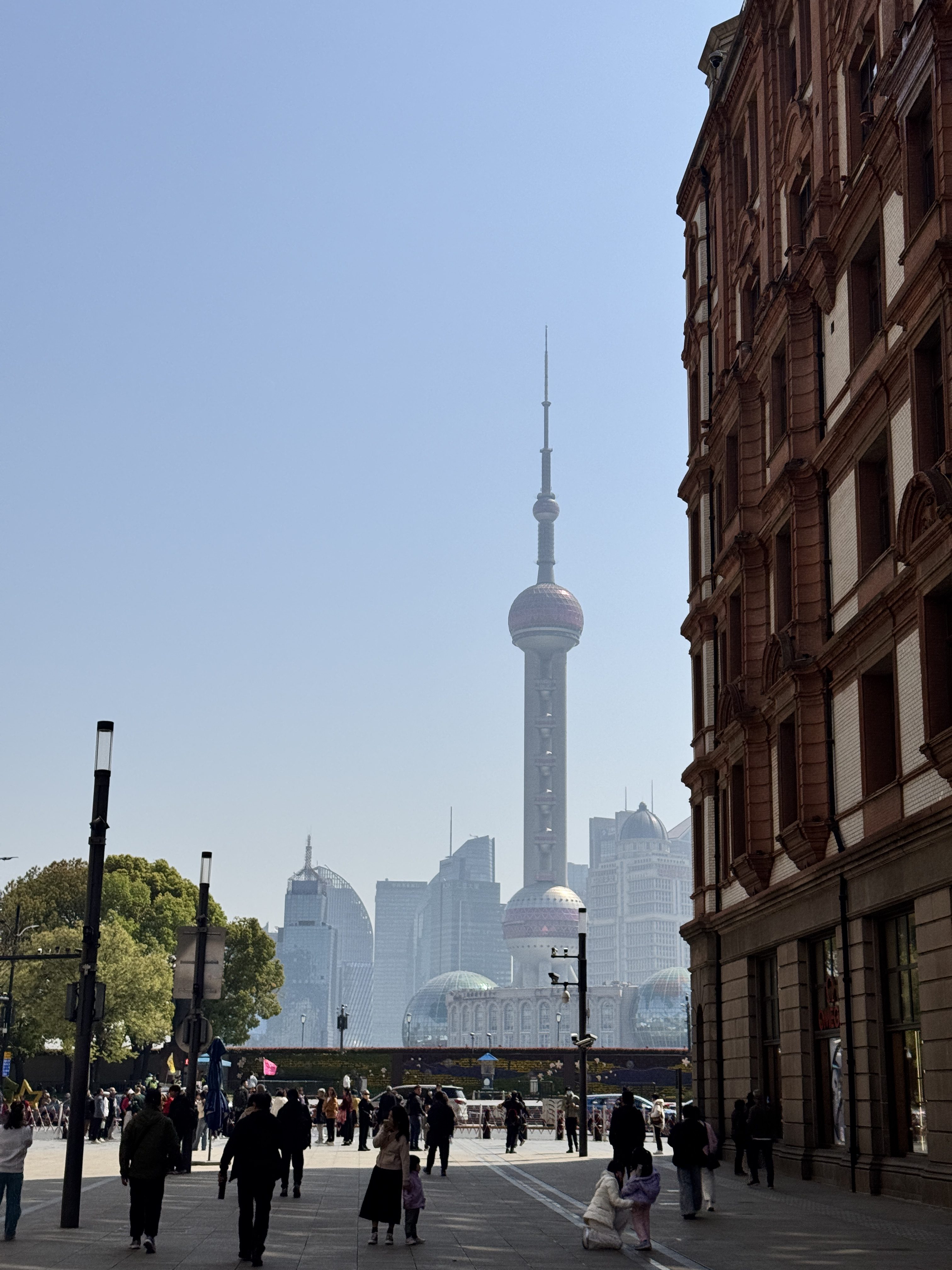
Planning a trip to China is not like booking a beach resort. The country is vast, bureaucratic, and designed around different systems than most Western travelers expect. Getting it right requires decision-making upfront—not reactive problem-solving en route.
This guide walks through every dimension of China trip planning, from foundational choices like timing and visa to the iterative work of designing an itinerary that reflects what you actually want to see and experience.
Why Planning Matters in China
China is the world’s third-largest country by land area. A two-week itinerary could cover the megalopolises of the east coast or the mountains and minority regions of the west. You cannot do both well. You cannot decide this while you’re on the ground—infrastructure, guide availability, and domestic transportation require advance coordination.
The foreigner premium exists here. It exists in guides, in accommodations, and in experiences designed specifically for travelers who don’t speak Mandarin or know how local systems work. A real itinerary, designed before you travel, mitigates this. It also ensures you’re going where you actually want to go, not where algorithms and guidebooks have convinced you to want to go.

Step 1: Define Your Timing and Season
Duration: How long do you have?
China rewards longer stays. A 7-day trip requires efficiency; you’ll see 3-4 destinations if paced thoughtfully. A 10-14 day trip allows for buffer time and depth. A month-long trip opens options most travelers never access.
Shorter trips benefit from geographic clustering: Beijing and surrounding regions, or Shanghai and the Yangtze River valley. Longer trips allow a progression—Beijing → Xi’an → Sichuan → Shanghai, for example—that shows the country’s layered history and geography.
Season: When to go shapes what you’ll experience
| Spring (March–April) | Mild temperatures, clear skies, wildflower blooms. Museums and major attractions are crowded. This is when many tour groups operate. Humidity is rising but not oppressive. Good for first-time visitors who want reliable weather and willing to navigate crowds. |
| Summer (May–September) | Hot and humid throughout most of the country. The Yangtze River Three Gorges cruise is most scenic during June-August. Silk Road deserts are extreme. This is not the season to visit most of China unless your itinerary is specifically designed for summer (glaciers in Tibet, mountain trekking in remote regions). Monsoon rains affect central regions. |
| Autumn (September–October) | Clear skies, mild temperatures, low humidity. This is the best season to visit most of China. It’s also peak season for tourism. Beijing, Shanghai, and Xi’an will be crowded. Domestic Chinese tourism peaks in October during the National Holiday week—expect all attractions to be packed. |
| Winter (November–February) | Cold and dry in the north. The Forbidden City is nearly empty. The Yangtze River freezes in some sections. This season is good if you want solitude and don’t mind cold temperatures. |
Link: Read our detailed guide on when to visit China
Step 2: Understand the Visa Process
Americans, Canadians, Australians, and most EU citizens require a visa to enter China. This cannot be done at the border. You must arrange it before departure.
Timeline: Allow 4-6 weeks. Rush processing (1-2 weeks) exists but costs more.
Process:
- Gather documents: passport, application form, passport-sized photo, proof of accommodation (hotel booking), proof of funds, and invitation letter (if applying through an agent) or employment letter (if applying yourself).
- Apply through your country’s Chinese consulate or visa service agency.
- Pay the visa fee ($100-250 USD depending on country and processing time).
- Collect your passport with the visa stamped inside.
Single vs. Multiple Entry: A single-entry visa allows one entry. A multiple-entry visa allows you to leave China (to Hong Kong or elsewhere) and re-enter. This matters if your itinerary includes Hong Kong, which operates under different governance rules. Multiple-entry visas cost more but are worth the premium if you’re planning that route.
Duration: Standard tourist visas are valid for 30 days. Some countries can request 60 or 90 days.
Step 3: Set Your Budget
“How much does a China trip cost?” has no single answer. A 10-day trip can range from $1,500 (backpacker, domestic accommodations, local food) to $8,000+ (luxury hotels, private guides, international restaurants).
Major cost categories:
Flights: $600-1,200 international. Book 2-3 months ahead for best fares to Beijing, Shanghai, or Guangzhou.
Accommodation: $40-60/night (mid-range local hotels), $100-150/night (upscale chains), $250+/night (luxury). Homestays and smaller properties run cheaper but require more communication.
Internal transportation: $400-600 for a 10-day trip using trains and domestic flights. High-speed rail between major cities costs $50-150 per route. Flights between distant regions cost $100-300. Getting around cities themselves (metro, taxi, apps like Didi) is cheap: $2-10 per trip.
Food: $5-15/meal in local restaurants, $25-50/meal in tourist-focused establishments. China has incredible cheap eating. A meal in a local noodle shop costs $2-4.
Guides and experiences: This is where costs vary wildly. A full-day private guide costs $60-150. A group tour costs $30-80. Museums and attractions range $5-30. This is also where the foreigner premium applies most.
Contingency: Budget 10-15% extra for unexpected expenses and experiences you discover en route.
Step 4: Decide Your Route
This is the core of itinerary design. China has distinct regions, and each requires different time allocation.
The Eastern Corridor (most common first-time route)
Beijing → Xi’an → Shanghai (or variations)
- Beijing (3-4 days): The Forbidden City, Summer Palace, Great Wall, hutongs, the National Museum. This is the center of imperial history. Plan to spend time walking and observing, not just collecting sites.
- Xi’an (2-3 days): The Terracotta Army, ancient city walls, Muslim Quarter. This is where the Silk Road began. The Terracotta Army is singular—plan a full day for it.
- Shanghai (2-3 days): Modern architecture, water towns on the outskirts (Zhujiajiao, Tongli), the Bund, the Yu Garden. This is contemporary China. It feels less foreign than Western cities; it has its own logic.
This route works for 8-10 days and shows historical progression from ancient to contemporary.
The Yangtze River Valley
Chongqing → Three Gorges Cruise → Yichang → Shanghai
- A multi-day cruise through China’s most dramatic landscape. The Yangtze has been the country’s artery for 2,000 years. This route is sensory and slower-paced than the Eastern Corridor.
- Good for travelers who want landscape and river culture over urban exploration.
- Works as a 10-12 day itinerary or as part of a longer trip.
The Silk Road
Xi’an → Lanzhou → Zhangye → Dunhuang → Kashgar → Urumqi
- This is for travellers with 3+ weeks and interest in minority cultures, desert landscapes, and Buddhist history.
- Accommodation is basic in smaller cities. This is a challenging but rewarding route.
- Most travelers hire guides for portions of this—it’s not a route to backpack independently without experience in western China.
Sichuan Province
Chengdu → Leshan → Emei Mountain → Jiuzhaigou
- Mountain scenery, panda sanctuaries, spicy food culture, and Buddhist temples.
- Good if your trip is themed around nature and wildlife rather than history.
- Requires 10-14 days to be done well.
Why not do it all: China requires choice. A 14-day trip doing Beijing → Xi’an → Yangtze cruise → Shanghai is exhausting, not enriching. Better itineraries have geographic logic—they move in one direction or explore one region deeply. This is where the foreigner premium gets reversed: travelers who’ve designed their route thoughtfully see more, spend less, and have better experiences than those following standard tour packages.
Step 5: Transportation Within China
Domestic Flights
Useful for distances over 1,500km. Book through Chinese sites (Trip.com, Ctrip) or international sites (Kayak, Expedia) 1-2 weeks ahead. Budget $80-250 per flight.
Airlines: China Southern, China Eastern, Air China, Hainan Airlines are major carriers. Expect basic service—the flight experience is purely functional.
High-Speed Rail (Gaotie)
Connects major cities and is faster than flights when you factor in airport time. Beijing to Shanghai takes 5 hours by high-speed rail vs. 2.5 hours flight + 3 hours airport procedures.
Book through 12306.cn (requires Chinese ID to book directly) or through travel apps (Trip.com, Ctrip). Tickets range $50-150. Seating is assigned and comfortable. This is an experience in itself—the train moves smoothly at 300+ km/h through the Chinese landscape.
Regular Trains
Slower but cheaper and more atmospheric. Used for overnight journeys and shorter routes between smaller cities. Hard sleeper bunks are an experience. Soft sleeper is comfortable. Book through the same apps.
Buses
Long-distance buses are cheap ($15-50) and connect smaller cities not served by rail. Avoid if possible—they’re uncomfortable for long distances and schedules are unpredictable.
Local Transportation
- Subway systems in major cities (Beijing, Shanghai, Xi’an, Chengdu): Efficient, cheap ($0.50-2 per ride). Download the local metro app.
- Taxis and Didi (Chinese Uber): Cheap, readily available. Use Didi to avoid fare negotiations.
- Walking: Chinese cities are designed around walking neighbourhoods. Embrace it.
Step 6: Design Your Itinerary
Now that you’ve chosen your timing, duration, route, and sorted logistics, the itinerary itself comes together through layering decisions.
Principle 1: Clustering
Group nearby cities together. Don’t fly from Beijing to Chengdu to Shanghai to Xi’an. This creates unnecessary movement and fatigue. A logical flow prevents decision fatigue once you’re traveling.
Principle 2: Pacing
Allow at least 2 nights in each city – this gives a full day to explore without the fatigue of moving and checking into accommodation.
Principle 3: Balance
Pair major attractions with neighborhood time. The Great Wall is singular. Following the day after the Great Wall, walk a hutong neighborhood and eat at a local restaurant. Balance intensity with observation.
Principle 4: Guided Time vs. Unguided Time
You don’t need a guide for every moment. A guide for the Forbidden City adds tremendous context. A guide for wandering Shanghai’s street markets adds less value. Choose guides strategically for places where historical or cultural context matters most.
Sample 10-Day Itinerary:
- Days 1-3: Beijing (Great Wall, Forbidden City, Summer Palace, hutongs, one guided day)
- Day 4: Travel to Xi’an by high-speed rail
- Days 5-6: Xi’an (Terracotta Army, City Walls, Muslim Quarter)
- Day 7: Travel to Shanghai by flight
- Days 8-10: Shanghai (Bund, Yu Garden, water towns, French Concession, street food)
This works. It has logic. It’s neither rushed nor slack.
Step 7: Practical Coordination
Money
WeChat Pay and Alipay are essential. You’ll struggle without them.
Language
English is minimal outside major tourist areas. Download Google Translate for character translation. Learn basic Mandarin phrases: hello (nǐ hǎo), thank you (xièxiè), excuse me (duìbùqǐ), how much (duōshǎo qián).
Connectivity
Get an eSIM or buy an international data plan from your home provider. WeChat/AliPay/Amap all require a connection—don’t rely on WiFi alone. If you want to use Meta or Google Apps (apps that do not work in China), get a VPN app before boarding the flight to China.
Accommodation
Book major cities in advance (hotels, homestays through Airbnb). Smaller cities can be booked a few days ahead. No place should be full; China has abundant accommodation, and bargaining is possible if you arrive in person.
Health and Insurance
Travel insurance covering medical evacuation is important. The tap water in major cities is safe to drink but many travellers prefer bottled. Bring prescription medications—Chinese equivalents may not exist. Pharmacy apps help if you need common medications.
What You’re Really Planning For
This isn’t just a trip. You’re building an experience shaped by your decisions, not by tourist consensus.
The difference between a good China trip and a forgettable one isn’t the destinations. An itinerary framework that lets you move through those destinations with intention. Designed your own route instead of following a tour guide’s script. Recognizing that two weeks in China is not about seeing everything—it’s about diving deep.
That’s where consultancy begins. That’s what separates meaningful travel from travel as consumption.
Ready to Design Your Itinerary
You now understand the decisions that shape a China trip: timing, costs, visas, routes, transportation. You know where the foreigner premium lives and how to avoid it.
What you’re reading is knowledge. What you need next is a designed itinerary—one that reflects what you actually want to experience, not what guidebooks say you should see.
That’s the work of consultancy. That’s what Loom does.
We design China itineraries for travelers who want depth over collection, and guides who avoid foreigner-premium pricing. Loom build trips around your interests, not around a script.
The process starts with a conversation. You tell us what draws you to China. We listen, ask questions, and design an itinerary that’s yours.
Start Your Consultation — No sales pitch. No commitment. Just a conversation about what you’re traveling for.