
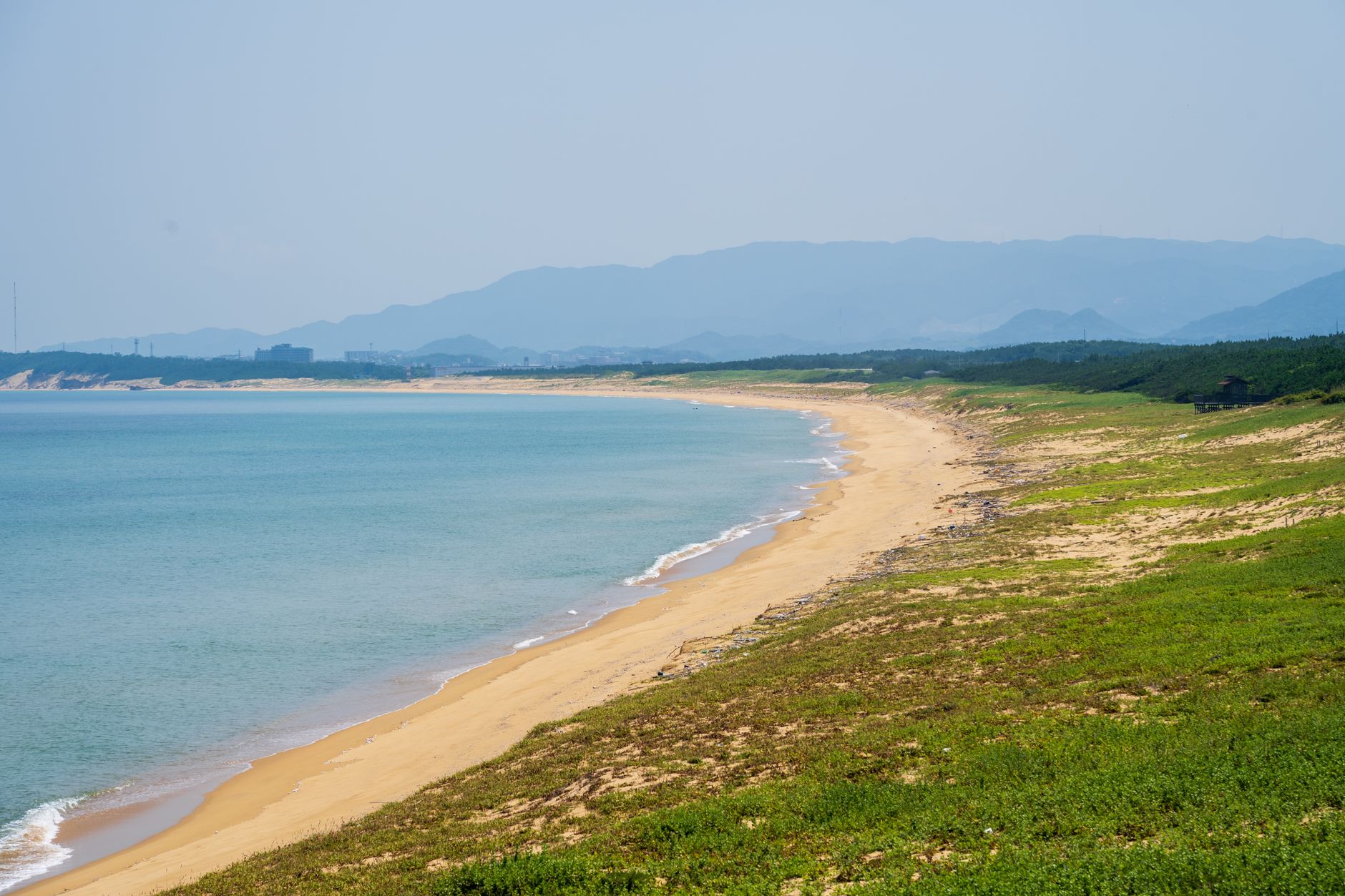
There’s a part of Japan that never tried to be photogenic. It just kept making miso. The Chita Peninsula, south of Nagoya on Aichi Prefecture’s quiet edge, has produced miso and soy sauce for over four hundred years, and it has done so without ever needing an audience.
Why It Matters
Towns like Tokoname and Handa built entire local economies on fermentation, historically shipping their miso and soy sauce by sea to Edo, now Tokyo. That trade history left behind century-old cedar barrels, canal warehouses, and a regional identity built on patience rather than performance.
What to Do
- Tour a working miso brewery in Handa, where many houses still ferment in century-old cedar barrels
- Taste sake at a local brewery alongside the miso houses
- Walk the old canal warehouses, built for shipping and now mostly silent
Pair It With Nagoya
The peninsula works best as a half-day trip from Nagoya, which makes it an easy addition to a Kansai-bound itinerary. It doesn’t require its own overnight stay to feel worthwhile; it simply asks for an afternoon of unhurried attention.
Not Every Region Needs a Landmark
Some regions don’t need a landmark. They need time, salt, and a few hundred years. The Chita Peninsula is the kind of place travelers add to an itinerary not because a feed told them to, but because someone mentioned it once and they didn’t forget.
For anyone building a Japan trip with room to wander, particularly one already routed through Nagoya, the Chita Peninsula offers a version of Japanese food culture that predates the tourist trail by centuries. It’s quiet, it’s specific, and it rewards travellers willing to trade a famous sight for a few hundred years of consistency.
Leave a Reply