
Nagoya
A complete Nagoya travel guide — Nagoya-meshi food culture, the Castle, Ghibli Park, and how to plan 2-3 days plus day trips.
Nagoya doesn’t get the tourist attention of Tokyo, Kyoto, or Osaka, and most visitors who skip it are missing one of Japan’s most distinctive regional food identities. Nagoya-meshi is built around hatcho miso — a dark, intensely aged red miso produced in nearby Okazaki for over 400 years — and dishes built on it simply don’t translate properly anywhere else in the country, let alone abroad. This guide covers the food, the castle, and how to plan your visit including day trips.
Why Nagoya-Meshi Deserves a Dedicated Trip
Nagoya cuisine is defined by three things: hatcho miso itself, bold flavors that contrast with the subtlety typical of much Japanese cooking, and a tendency toward creative, locally invented fusion dishes. Despite a reputation among some travelers for being “heavy,” the truth is more nuanced — the miso here isn’t salty so much as deeply savory and slightly sweet, and the city’s best food is genuinely refined once you find the right spots, which tend to be small, unglamorous places with handwritten menus rather than the chains tourists default to.
What to Eat
– Miso katsu — a breaded pork cutlet topped with thick, almost-black hatcho miso sauce — savory, slightly sweet, and intensely rich. Yabaton on Osu Kannon Street, established in 1947, is considered the original shop.
– Hitsumabushi — a ceremonial eel-and-rice dish traditionally eaten in three stages, each with a different topping or preparation. Expect 30-60 minute waits at the most popular spots; go off-peak if you’re short on time.
– Tebasaki — double-fried chicken wings, a Nagoya specialty that’s harder to replicate properly than it sounds.
– Kishimen — flat udon-style noodles, a regional variation worth trying even at Nagoya Station’s platform shops.
– Ogura toast — bread topped with chunky sweetened red bean paste, a distinctly Nagoya breakfast item.
– The “morning set” coffee culture — a Nagoya-specific tradition where local kissa (traditional coffee shops) serve a full breakfast free with your coffee order. This exists at hundreds of small shops across the city and is one of its more genuinely distinctive daily rituals.
Nagoya Castle
Nagoya Castle is currently the site of one of Japan’s most remarkable ongoing architectural projects: the castle’s main tower (tenshu) is being rebuilt using traditional 17th-century carpentry techniques — hand-hewn timber, no nails, traditional tools throughout. Even with reconstruction in progress, the grounds, Honmaru Palace, and gardens are worth visiting, and the castle’s golden shachihoko (mythical dolphin-fish ornaments) are a recognizable city symbol.
Other Essential Sights
Osu Shopping District. A lively arcade good for street food grazing, shopping, and easy access to Yabaton and other Nagoya-meshi institutions.
Atsuta Shrine. One of Japan’s most significant Shinto shrines, with a history and atmosphere that rewards an unhurried visit.
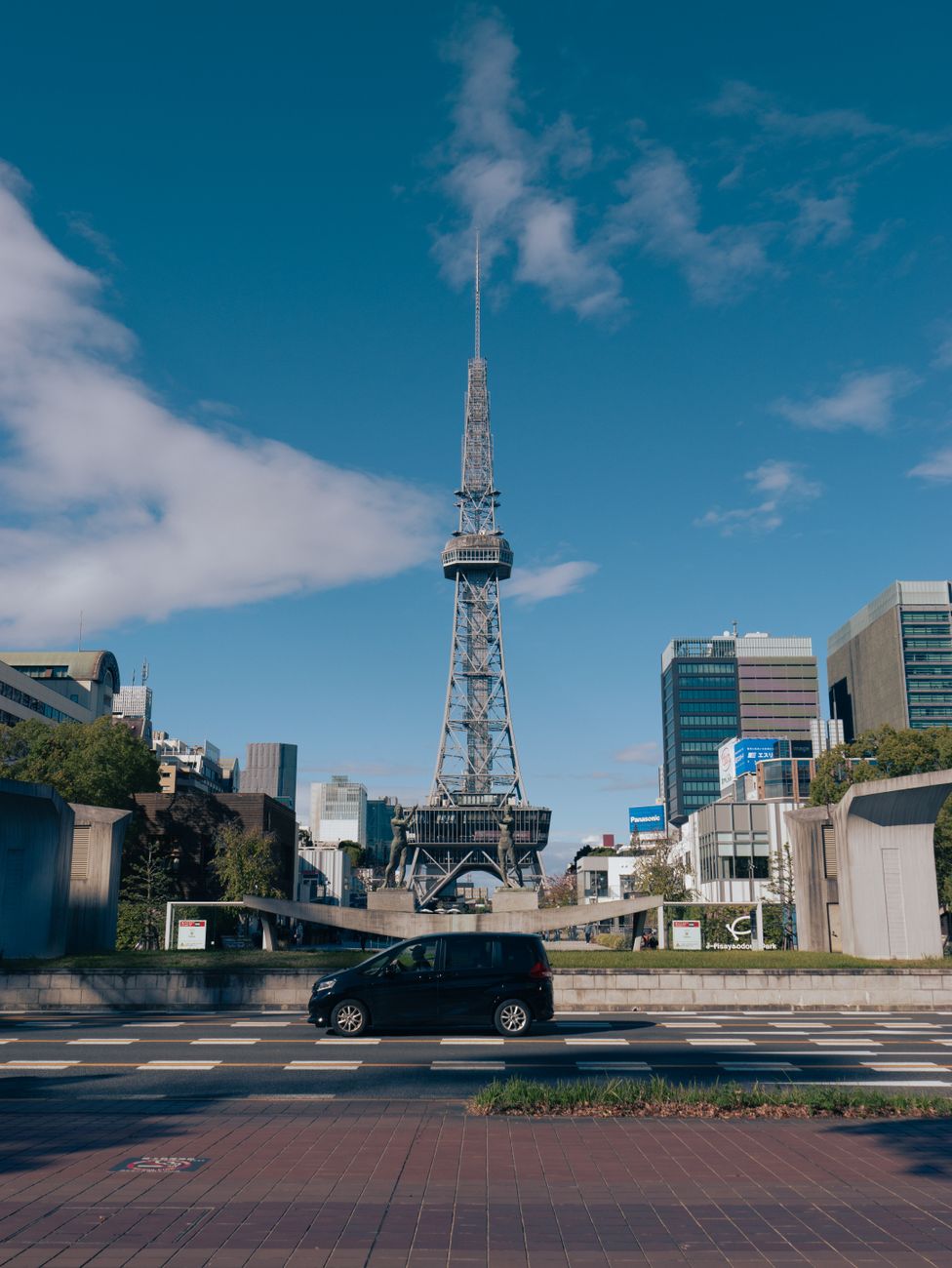
Sakae and Chubu Electric Power MIRAI TOWER. Nagoya’s downtown core, with panoramic city views from the tower, Hisaya-odori Park for a stroll, and Oasis 21 nearby for shopping and architecture.
Toyota Museum. A genuinely engaging stop even for visitors without a strong interest in cars, covering the city’s industrial heritage.
Ghibli Park. Located in Aichi・Chikyuhaku Memorial Park, this is one of the only places in the world to step inside Studio Ghibli’s fictional worlds in physical form — five zones including Ghibli’s Grand Warehouse, Dondoko Forest (Totoro’s House), and Witch’s Valley. A major draw for families and Ghibli fans alike, and ticket reservations are necessary in advance.
Suggested Itinerary
Day 1: Nagoya Castle in the morning, Osu Shopping District for lunch and browsing, Sakae and the MIRAI TOWER in the evening for skyline views.
Day 2: Atsuta Shrine and the Toyota Museum, or a full day dedicated to Ghibli Park if traveling with kids or Ghibli enthusiasts.
Day 3 (optional add-on): Pick one nearby day trip rather than overpacking — Inuyama (25-30 minutes by Meitetsu train) for Japan’s oldest original castle keep and a restored castle town, or Okazaki (about 30 minutes by JR) for Tokugawa Ieyasu’s birthplace castle and centuries-old hatcho miso breweries.
Getting There and Around
Nagoya sits conveniently between Tokyo and Kyoto on the Shinkansen line, and functions as a practical gateway to Kanazawa, Takayama, and the wider Hokuriku region. Within the city, the subway system is efficient and well-connected to all the major sights mentioned above.
Best Time to Visit
Spring (late March to April) brings cherry blossoms at Nagoya Castle; autumn (November) is ideal for foliage at nearby Korankei Valley. Note that the 2026 Asian Games run September through October and may increase crowds and hotel prices in the area during that window.
Planning Nagoya alongside Takayama, Kanazawa, or a wider Chubu region itinerary? Get in touch and we’ll help you plan the route.
Leave a Reply