
A complete Hakone travel guide — the classic loop route, onsen ryokan, Lake Ashi, Owakudani Valley, and how to plan a day trip or overnight from Tokyo.
Hakone sits about 90 minutes from Tokyo and feels like an entirely different world: volcanic valleys breathing steam into the sky, a pirate-ship cruise gliding across a mirror-still lake, and — on a clear day — Mount Fuji glowing on the horizon. This guide covers the classic Hakone loop, the onsen culture, and how to decide between a day trip and an overnight stay.
Why Hakone Is Worth the Trip From Tokyo
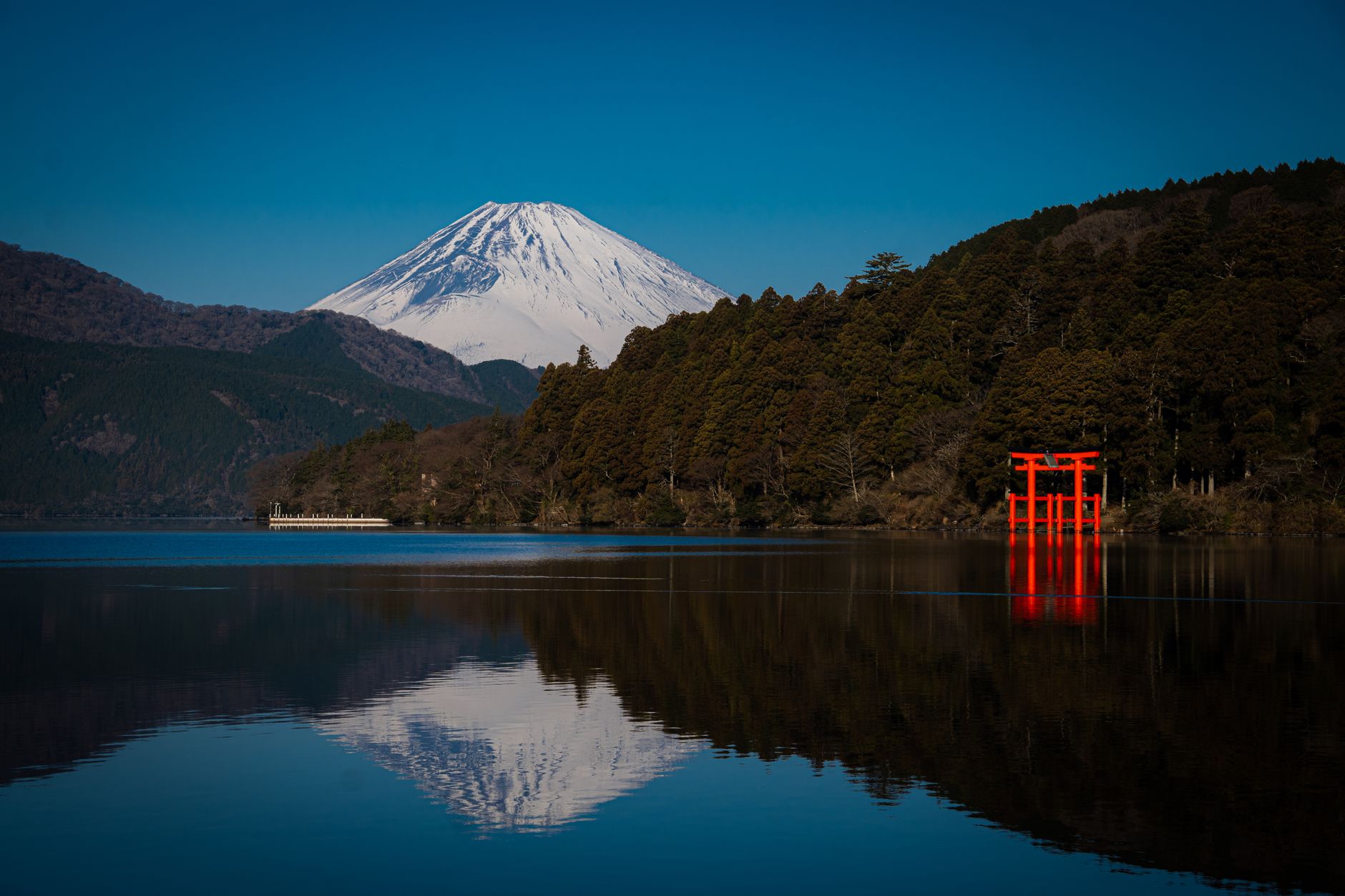
Hakone sits within Fuji-Hakone-Izu National Park, making it one of the best places to view Mount Fuji without actually climbing it — though it’s worth being upfront that Hakone’s mountainous terrain and frequent cloud cover mean the mountain doesn’t always show itself. On clear days, especially in winter, Fuji’s snow-capped cone reflects across Lake Ashi, particularly from Moto-Hakone or aboard the Hakone Sightseeing Cruise. If a guaranteed, closer view of Fuji is the priority over Hakone’s broader range of activities, the Fuji Five Lakes region (including Lake Kawaguchi) is generally considered the more reliable choice.
The Classic Hakone Loop
Most visitors complete a loop combining several modes of transport in a single day:
– Hakone-Yumoto — the gateway town and home to many classic ryokan, ideal for first-time visitors. – Gora — a highland area surrounded by art museums, with boutique inns and elegant baths.
– The mountain railway, cable car, and ropeway — connecting Gora up through Sounzan to Owakudani and onward to Togendai, on the shore of Lake Ashi.
– Owakudani Valley — Hakone’s volcanic centerpiece, where steam rises visibly from the ground and the air carries a strong sulfur smell as soon as you step off the ropeway. The valley is famous for kuro-tamago (black eggs), boiled in the volcanic hot springs and said, according to local legend, to add seven years to your life.
– Lake Ashi and the pirate ship cruise — a scenic boat ride across the lake, with the chance of a Mount Fuji view on clear days, before docking at Togendai or Moto-Hakone.
A practical note for early 2026 visitors: the Hakone Ropeway has scheduled maintenance — the Sounzan-to-Owakudani section closes January 13-30, and the Owakudani-to-Togendai section closes January 31-February 20. Replacement buses run during these windows, so the loop remains completable, but build in extra time.
Onsen Culture in Hakone
Hakone is one of Japan’s most celebrated onsen destinations, powered by volcanic activity from Mount Hakone’s caldera. Ryokan and resorts line the rivers and hillsides, many offering open-air baths (rotenburo) with panoramic mountain or lake views. Some properties offer private onsen rooms with Mount Fuji views — a good option for couples, or for anyone with tattoos seeking privacy, since communal baths in Japan typically restrict visible tattoos.
Day Trip or Overnight?
Since Hakone is only about 90 minutes from Tokyo, it’s entirely possible to explore the major highlights — the ropeway, Owakudani, and the Lake Ashi cruise — in a single day. However, staying overnight is genuinely recommended if your schedule allows: it lets you relax without rushing the loop, and gives you the chance to actually experience an onsen at a ryokan rather than just passing through. One practical note: most restaurants in Hakone close by 6pm, so if you’re not staying at a hotel with dinner included, you may end up relying on convenience store food for an evening meal.
What Else to Do
Hakone Checkpoint ruins. A historical site from Hakone’s days as a key checkpoint on the Tokaido Road connecting Edo (Tokyo) and Kyoto — worth a visit for history-minded travelers.
Art museums. The Gora area and surrounding hills are dotted with museums that blend art and landscape, including open-air sculpture parks set against a mountain backdrop.
Seasonal scenery. Spring brings fresh greenery, summer offers a cool mountain retreat from Tokyo’s heat, autumn brings foliage, and winter brings snow scenery and the clearest odds of a visible Mount Fuji.
Getting There and Around
From Tokyo, the most common route is the Odakyu Romancecar directly to Hakone-Yumoto, or Shinkansen plus a local train connection — both taking roughly 90 minutes. The Hakone Free Passcovers the mountain railway, cable car, ropeway, the Lake Ashi pirate ship cruise, and local buses, and is the standard choice for most visitors doing the full loop. If you’d rather not deal with public transport logistics, a private car is the more efficient (if pricier) option for covering the region at your own pace.
Planning Hakone as a day trip or overnight alongside Tokyo and Kamakura? Get in touch and we’ll help you plan the route.
Leave a Reply