
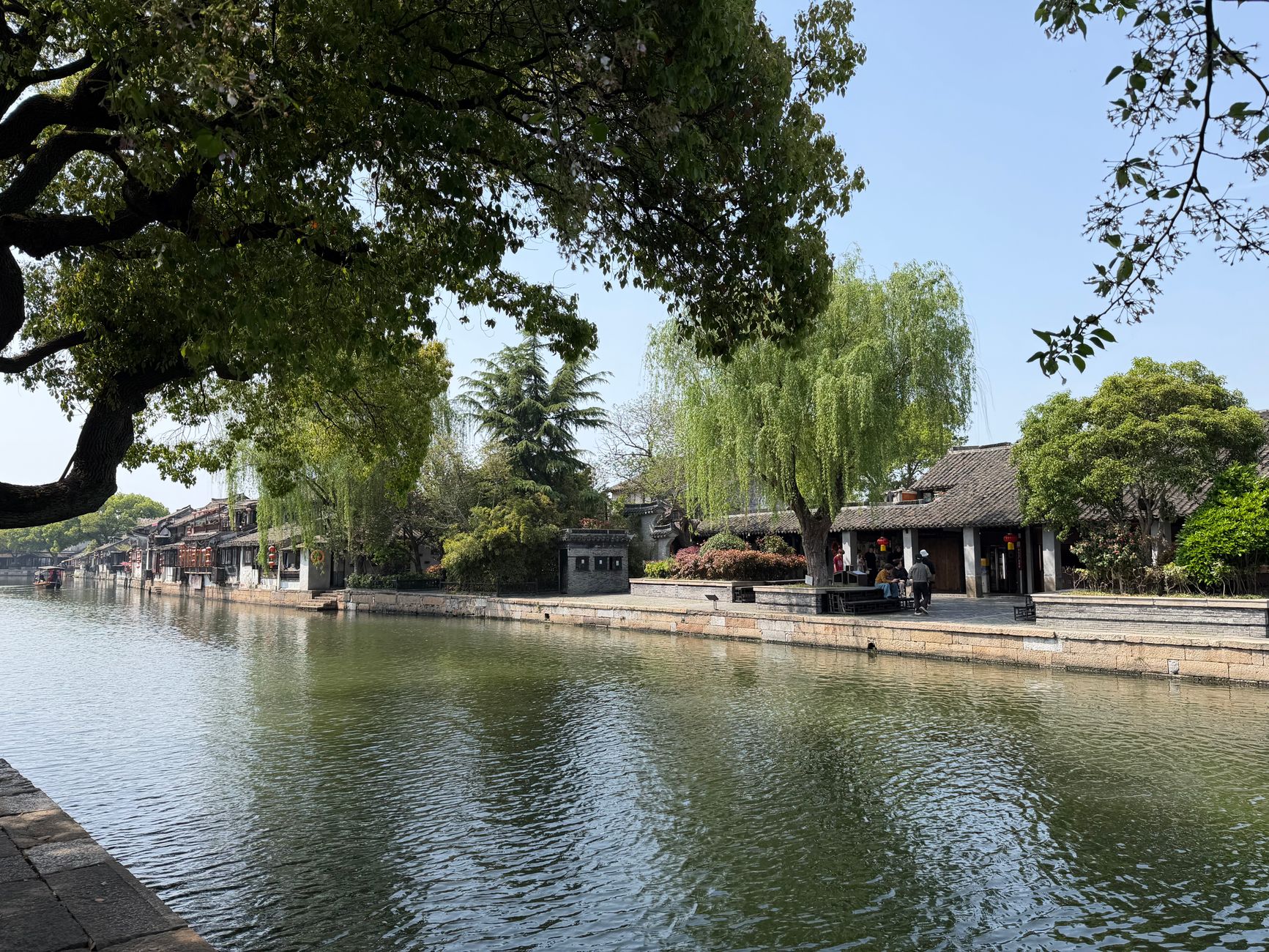
A complete Shaoxing travel guide — Lu Xun’s former residence, yellow wine culture, canal boat rides, and how to plan a day trip from Hangzhou.
Shaoxing sits just fifteen minutes from Hangzhou by high-speed rail, yet it has its own, distinct identity: birthplace of Shaoxing rice wine (also called yellow wine, or huangjiu), hometown of the influential modern writer Lu Xun, and one of the lesser-visited Jiangnan water towns despite over 2,500 years of history. This guide covers the city’s literary and winemaking heritage, the canals, and how to plan a day trip or short overnight stay.
Why Shaoxing Deserves More Than a Footnote
Shaoxing is one of the birthplaces of ancient Yue culture, and its identity today still rests on three pillars: traditional bridges and canal-side architecture, centuries of rice wine brewing, and its place as the hometown of Lu Xun, one of the most significant writers in modern Chinese literature. The city blends all three more seamlessly than most Jiangnan destinations — you can walk from Lu Xun’s childhood home directly into a working wine town and a canal cruise in the same afternoon.
What to Eat and Drink
– Shaoxing rice wine (huangjiu) — the city’s signature product, with a brewing history stretching back over 1,600 years. The Dongpu area specifically is considered the source of the finest examples, with a local saying that “rice wine from the Yue region travels the world, but the best is from Dongpu.”
– Drunken chicken — chicken poached and then steeped in Shaoxing wine, a direct showcase of the local product.
– Stinky tofu — a pungent, fermented tofu dish, often paired with rice wine at traditional restaurants like Xianheng Inn.
– Salted sausages and duck — regional specialties worth seeking out at local restaurants.
The Essential Sights
Lu Xun’s Former Residence (Lu Xun Native Place). The childhood home and family compound of Lu Xun, one of the most important figures in 20th-century Chinese literature. The complex includes the Baicao Garden and Sanwei College, both referenced in his writing, as well as the Xianheng Hotel mentioned in his short story “Kong Yiji” — now a working restaurant where you can eat the same dishes described in the story.
Shen Garden. A romantic, Song-dynasty-style garden, good for an unhurried walk between the Lu Xun sites and lunch.
Cangqiao Zhijie. A lively historic street lined with handicraft shops and snack stalls, good for an early-evening stroll.
A Wupeng boat ride near Bazi Bridge. Shaoxing’s traditional black-roofed Wupeng boats are the classic way to see the city’s canals, and a ride near Bazi Bridge is one of the most recommended ways to spend an afternoon here.
Shaoxing Yellow Wine Museum. A dedicated museum covering the brewing history and craftsmanship behind the city’s signature product, typically paired with a tasting of aged huangjiu.
East Lake (Dong Hu). A scenic lake on the edge of the city, known for its dramatic rock formations and boat tours through narrow stone channels — a different, more dramatic landscape than the gentle canals of the old town.
Lan Pavilion (Lanting). Just outside the city, this is considered a sacred site for Chinese calligraphy, marking the place where the renowned calligrapher Wang Xizhi composed the famous “Orchid Pavilion Preface.”
Suggested Itinerary
Half-day or day trip from Hangzhou: Arrive in the morning, visit Lu Xun’s Former Residence and Shen Garden, lunch at Xianheng Inn (stinky tofu, drunken chicken, a small cup of rice wine), take a Wupeng boat ride near Bazi Bridge in the early afternoon, then visit the Shaoxing Yellow Wine Museum before heading back.
Full day or overnight: Add East Lake or Lan Pavilion in the morning before the Lu Xun sites, and extend into the evening with a stroll along Cangqiao Zhijie and dinner, possibly with a Yue Opera performance.
Getting There
High-speed rail makes Shaoxing one of the easiest day trips from Hangzhou — about 18 minutes from Hangzhou East to Shaoxing North. From Shanghai, the journey runs around 1 hour 20 minutes by high-speed rail. Within the city, the old town’s main attractions are concentrated closely enough to cover on foot or by shared bike, with taxis a reasonable option for slightly further sights like East Lake or Lanting.
Best Time to Visit
Early autumn (late August into September) brings more comfortable temperatures after the summer heat and humidity, along with the chance to see the Qiantang River tidal bore nearby. Spring also draws visitors for the Lanting International Calligraphy Festival, held near Lan Pavilion.
Pairing Shaoxing with Hangzhou or a wider Zhejiang itinerary? Get in touch and we’ll help you plan the route.
Leave a Reply